
Manganese Compounds
Manganese is a trace mineral present in many everyday foods. It functions as a cofactor in various enzyme systems involved in normal metabolic processes, bone health, and general physiological function.
Understanding Manganese in Metabolism
Manganese serves as a cofactor for multiple enzymes throughout the body. These enzymes participate in processes including:
- Carbohydrate metabolism and energy production
- Amino acid metabolism and protein synthesis
- Bone formation and mineralization
- Antioxidant enzyme systems
- Fatty acid metabolism
- Thyroid hormone regulation
This mineral's presence in enzymatic processes explains its inclusion in nutritional science and dietary recommendations.
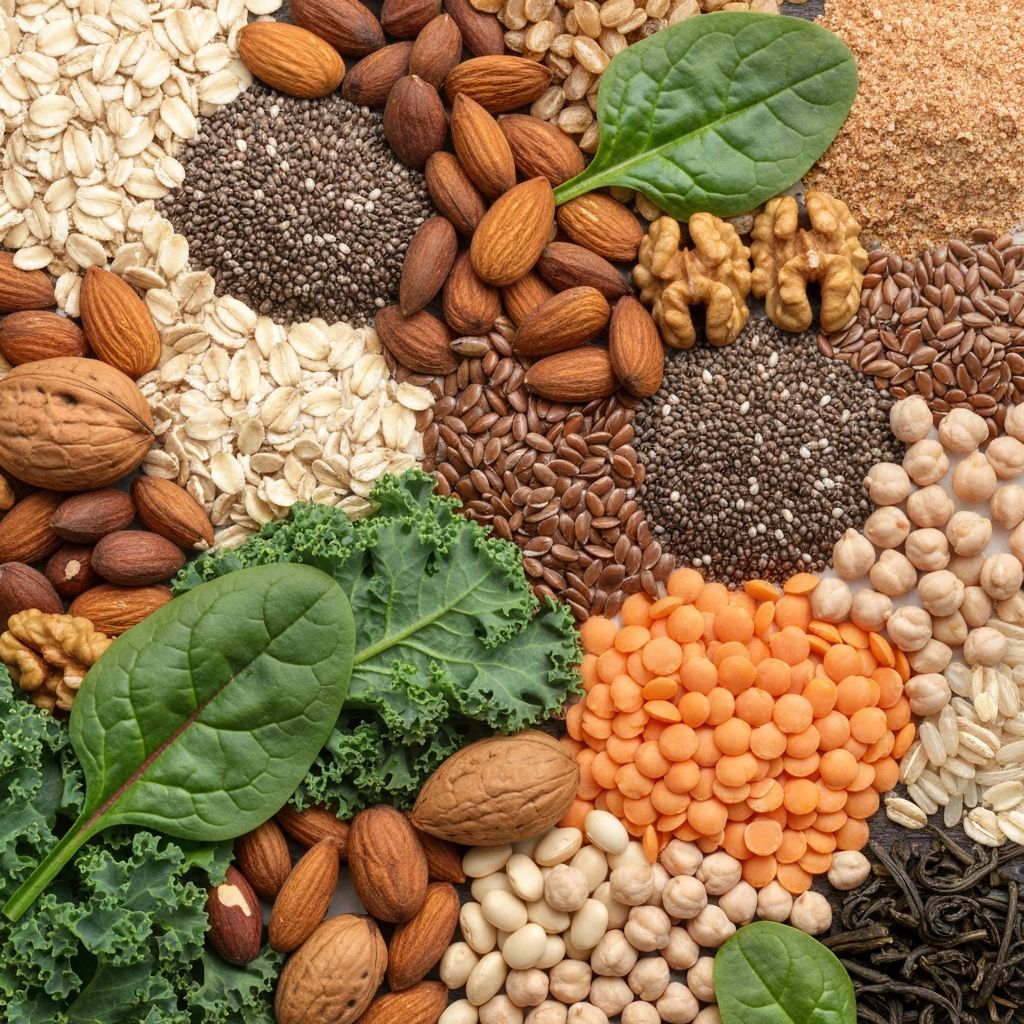
Food Distribution and Natural Sources
| Food Category | Common Sources | Relative Content |
|---|---|---|
| Nuts and Seeds | Almonds, cashews, pumpkin seeds, sunflower seeds | High |
| Whole Grains | Oats, brown rice, whole wheat, quinoa | Moderate to high |
| Legumes | Chickpeas, lentils, soybeans, black beans | Moderate to high |
| Tea | Black tea, green tea | High |
| Spices | Cinnamon, cloves, nutmeg | Very high |
| Leafy Greens | Spinach, kale, chard | Moderate |
| Fruits | Berries, pineapple, bananas | Low to moderate |
Dietary Patterns and Intake
Manganese intake varies significantly based on dietary composition and food choices:
- Plant-based diets typically provide higher manganese intake than animal-focused diets
- Populations consuming whole grains regularly tend to have adequate manganese intake
- Tea and coffee consumption contributes to total manganese intake
- Whole grain and legume consumption patterns strongly influence manganese levels
- Geographic variation in crop manganese content reflects soil composition differences
Absorption and Bioavailability
Manganese absorption from foods involves multiple factors:
- Phytates in grains and legumes can reduce absorption (soaking and cooking help)
- Iron and calcium levels affect manganese absorption competitively
- Absorption occurs throughout the small intestine
- Individual absorption efficiency varies based on digestive health
This variability in absorption demonstrates the complexity of mineral nutrition and why food diversity remains important.
Limitations and Context
About This Information
This page provides factual, educational information about manganese in nutrition. It:
- Describes established biochemical roles in normal physiology
- Does not constitute medical advice or personalized recommendations
- Does not suggest therapeutic outcomes or health promises related to manganese
- Recognizes that individual manganese needs vary by age, sex, and metabolic factors
- Does not replace professional consultation for specific health concerns
For questions about manganese intake or mineral metabolism, consult with a healthcare professional.